A Doctor’s Guide to Expression Lines and Natural-Looking Anti-Ageing Care
Learn what causes upper-face expression lines, how doctors assess them, and what a subtle, natural-looking anti-ageing approach may involve
A Doctor’s Guide to Expression Lines And Anti-Ageing Care
Learn what causes upper-face expression lines, how doctors assess them, and what a subtle, natural-looking anti-ageing approach may involve
What Expression Lines Really Are and Why They Become More Noticeable Over Time
You may have started to notice lines around your forehead, between your brows, or near your eyes that make you look more tired, stressed, or older than you feel. These are often called expression lines. They form over time through repeated facial movement like frowning, squinting, raising your brows, and smiling. And while many people want to soften them, they also worry about looking frozen, unnatural, or overdone.
The truth is, not all expression lines are the same, and not every face should be approached in the same way. A natural-looking result starts with understanding what is causing those lines, how strong the facial movement is, and what a doctor looks for before recommending any next step. Once you understand that, the right approach becomes much clearer.
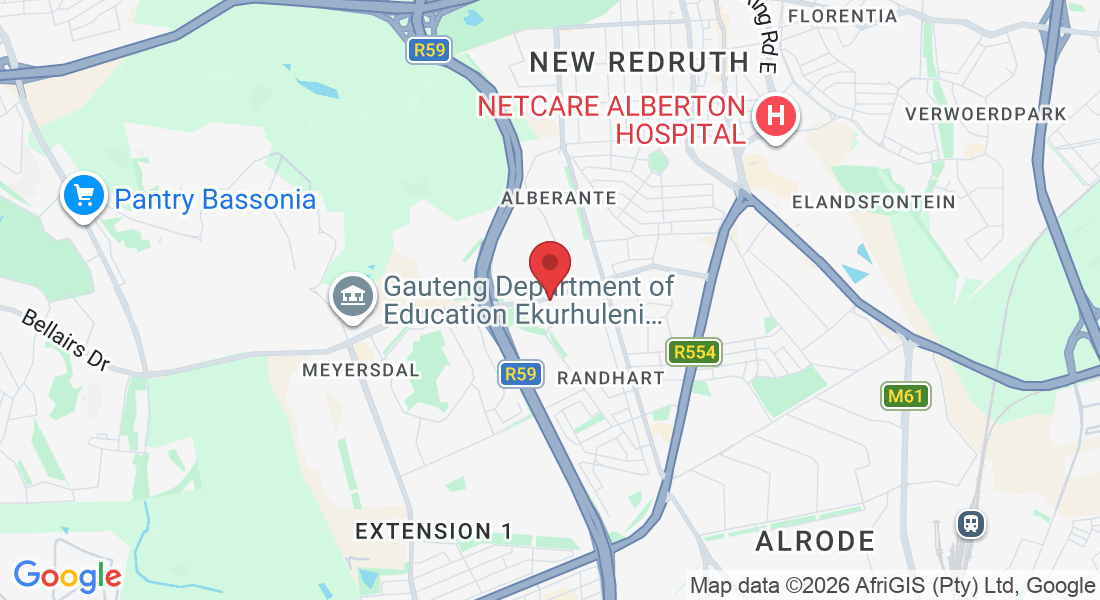
We are based in:
📍 91 Nelson Mandela Ave,
Randhart, Alberton,
1449
Why Expression Lines Often Become a Bigger Concern Over Time
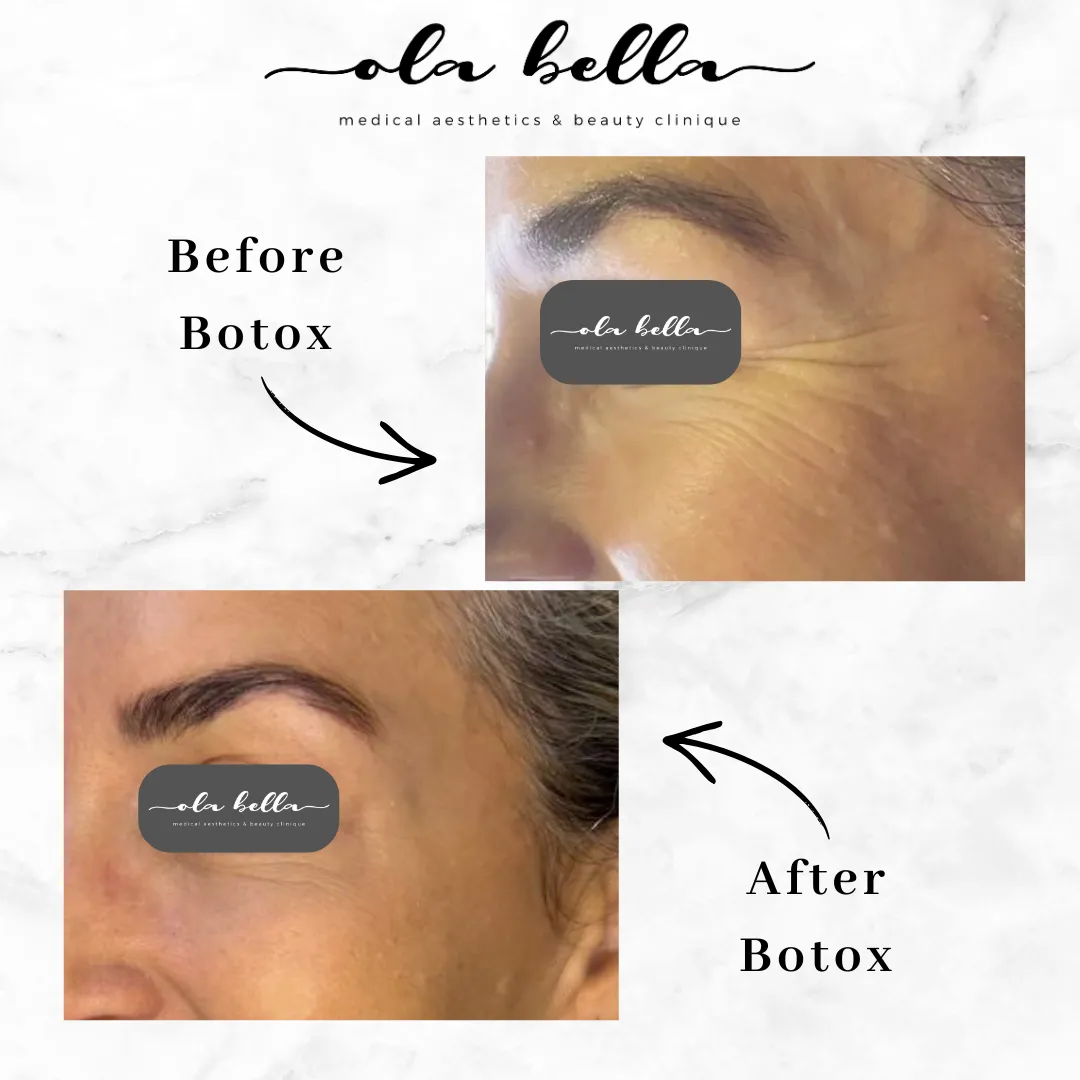
It can be frustrating when your face starts to look more tired, tense, or older than you feel. Expression lines often show up first in the upper face because repeated movements like frowning, squinting, smiling, and raising your brows gradually leave lines behind over time, especially as skin changes with age. For many people, that creates a quiet but real worry: wanting to look fresher and more rested, but not wanting to look unnatural, frozen, or obviously “done.”
Botulinum toxin has been used in medicine for decades and has been extensively studied, and when it is prescribed and administered appropriately by a qualified medical professional, it has a well-established safety profile for approved uses. That is one reason it remains such a common option for treating upper-face expression lines.
Why Expression Lines Often Become a Bigger Concern Over Time
It can be frustrating when your face starts to look more tired, tense, or older than you feel. Expression lines often show up first in the upper face because repeated movements like frowning, squinting, smiling, and raising your brows gradually leave lines behind over time, especially as skin changes with age. For many people, that creates a quiet but real worry: wanting to look fresher and more rested, but not wanting to look unnatural, frozen, or obviously “done.”
Botulinum toxin has been used in medicine for decades and has been extensively studied, and when it is prescribed and administered appropriately by a qualified medical professional, it has a well-established safety profile for approved uses. That is one reason it remains such a common option for treating upper-face expression lines.
How Expression Lines Are Typically Treated in a Doctor-Led Setting
When it comes to upper-face expression lines, there is rarely a one-size-fits-all approach. At Ola Bella, the process begins with a doctor-led consultation focused on understanding your concerns, how your facial muscles move, and which areas are contributing most to visible lines. From there, a personalised plan may be recommended based on your goals, suitability, and the areas being treated.
For many patients, treatment planning for the most common upper-face areas typically starts from R90 a unit with 20 units being the average first time spend, depending on the assessment and recommended plan.
What treatment may include:
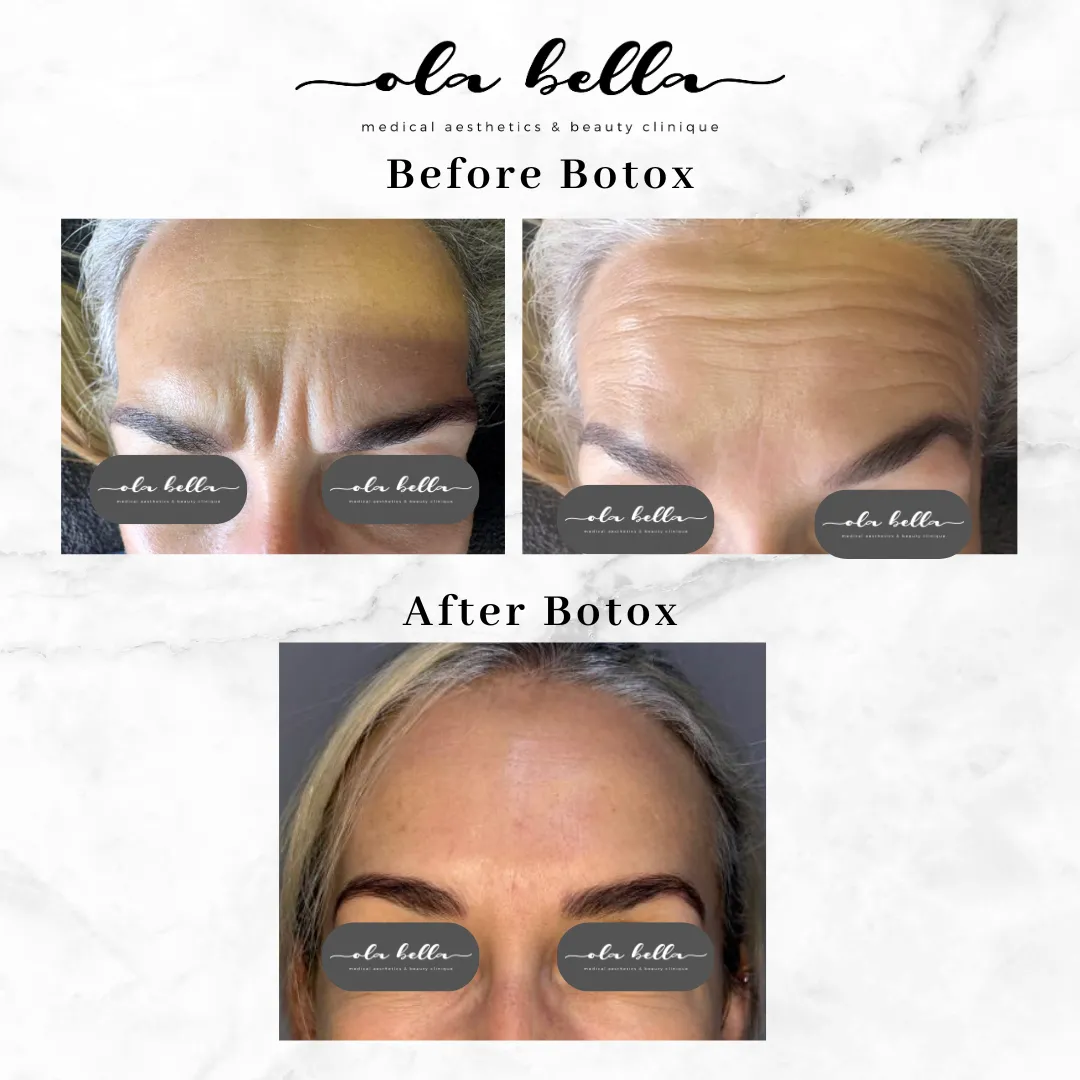
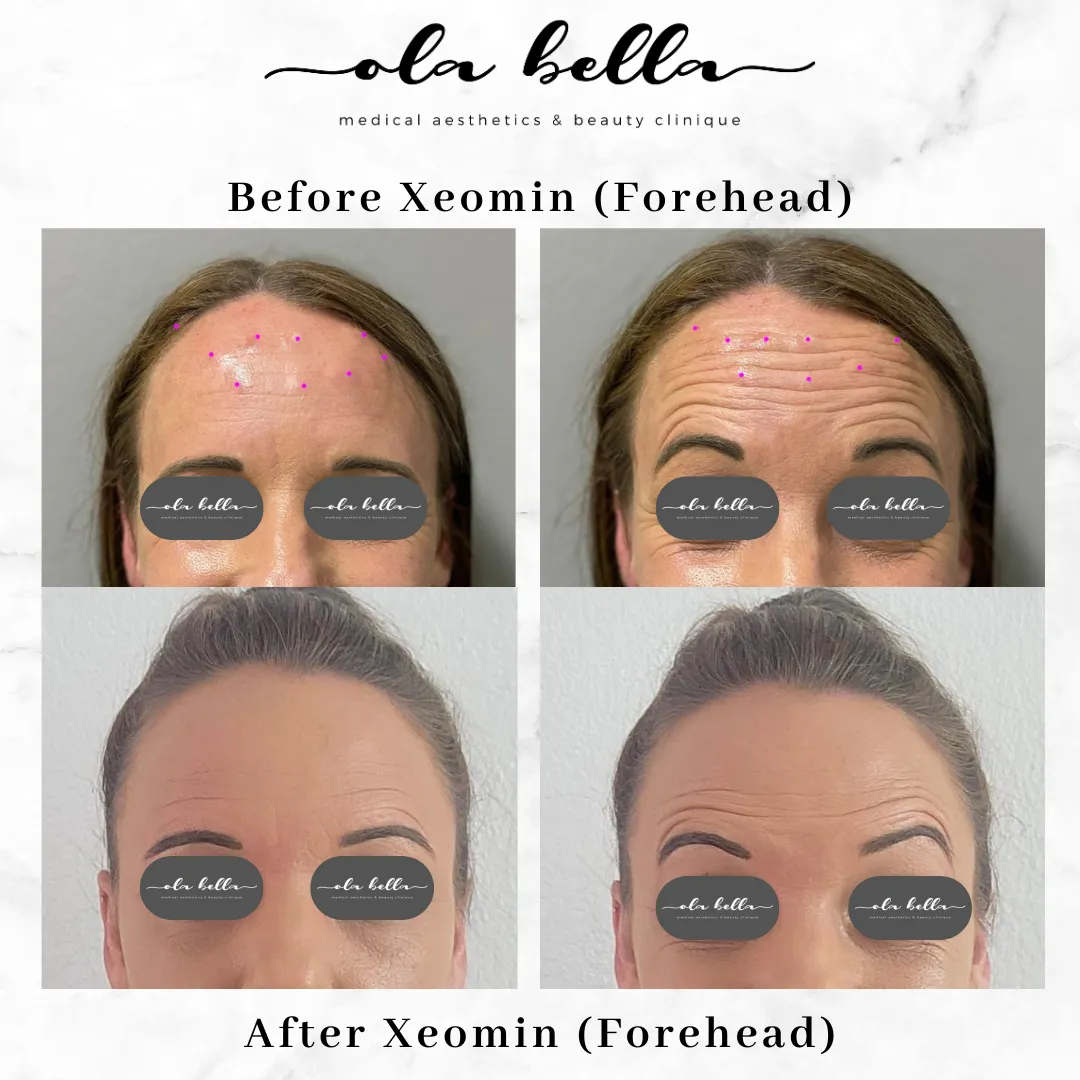
Treatment of the forehead, frown area, and crow’s feet
A doctor-led plan tailored to your facial movement and goals
A focus on natural-looking results that still look like you
Little to no downtime, with most patients returning to their day as normal
Guidance on what to expect from your personalised upper-face treatment plan
Why Patients Trust the Ola Bella Approach to Expression Lines
At Ola Bella, upper-face treatment is guided by doctor-led assessment, advanced aesthetic training, and one clear goal: to help you look refreshed, never overdone.

Natural-looking results start with the right eye, the right training, and a careful treatment plan. At Ola Bella, Dr Rick Diesel leads treatment with a medical, safety-first approach, while the clinic’s aesthetic philosophy is also shaped by experienced practitioner Dr Shené, whose work has long focused on subtle, confidence-restoring results. It is a more thoughtful way to treat expression lines — one that respects your features rather than trying to change them.
Doctor-led planning for upper-face expression lines
A focus on subtle, natural-looking results
Treatment guided by facial movement and balance
Advanced aesthetic training and clinical judgment
An approach designed to help you look refreshed, not redon
HEAR FROM OUR CLIENTS
Ola Bella - Medical Aesthetics and Beauty Clinique

"The fact that I keep coming back for treatments is so telling; my therapist Amy has learned my skin and is soo gentle and effective with it. She knows exactly what my skin needs at any given time."
Where you can find us
91 Nelson Mandela Ave,
Randhart, Alberton,
1449
(084 442 3552